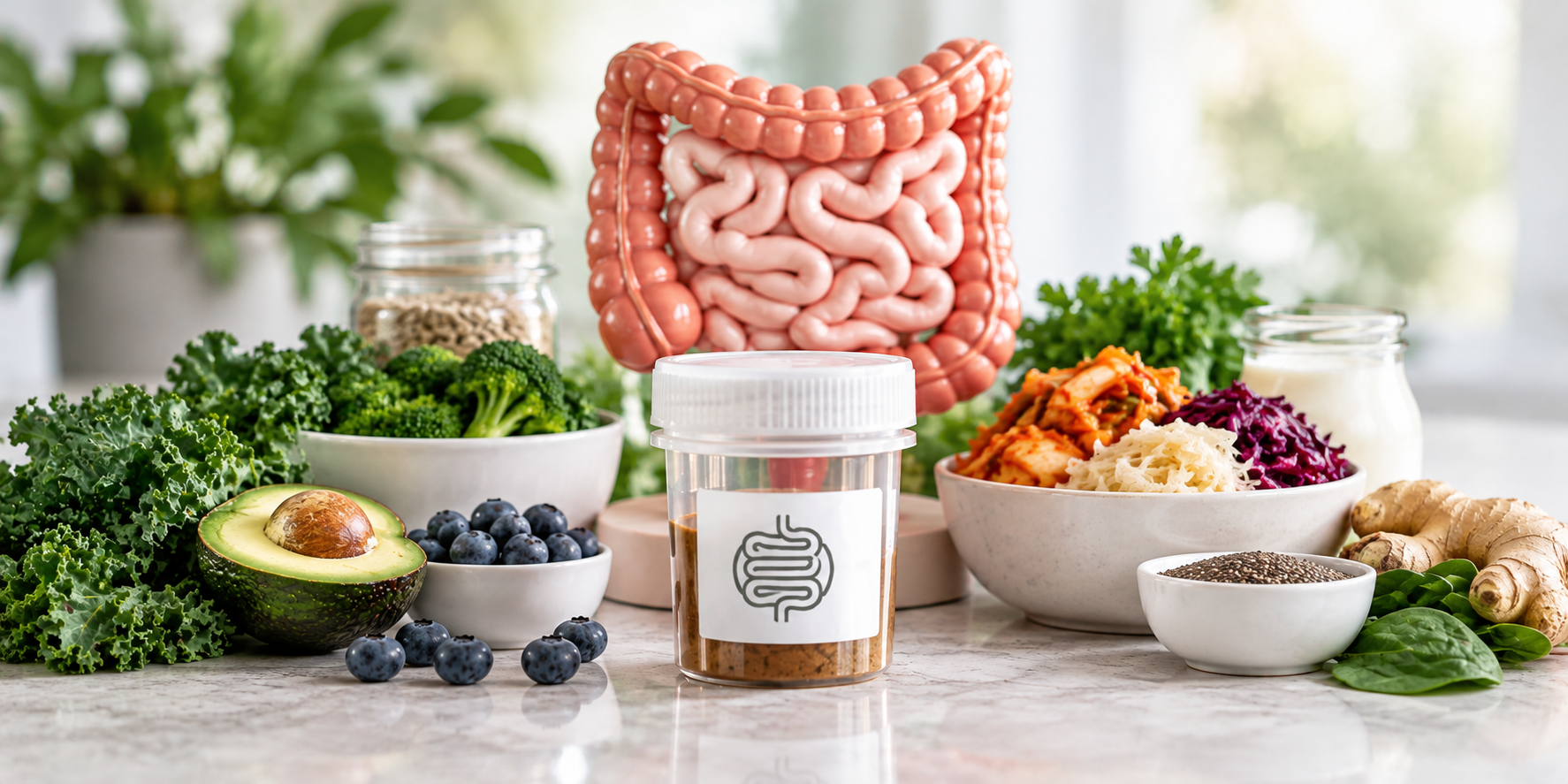
Your gut plays an important role in digestion, nutrient absorption, immune function, and overall health. When something is out of balance, symptoms such as bloating, gas, constipation, diarrhea, abdominal discomfort, reflux, or food sensitivities may occur. Sometimes, symptoms may not appear in your gut, but may show up as skin rashes, frequent viral illness, fatigue, mood changes/ depression/anxiety, stubborn difficulty losing weight, autoimmune conditions, and more.
At the Integrative Medical Clinic of NC, we use specialty laboratory testing to help us look deeper when routine testing doesn’t tell the whole story.
What Can Stool Testing Tell Us?
Comprehensive stool testing can provide valuable information about the health and function of your gastrointestinal system. Depending on the test selected, we may be able to evaluate:
- Beneficial and opportunistic bacteria and the overall balance of the gut microbiome
- Parasites, yeast, fungi, and certain viruses
- H. pylori, a bacterium associated with certain digestive symptoms and potential increased risk for stomach cancer
- Digestive function, including markers related to pancreatic enzyme production
- Inflammation within the gastrointestinal tract
- Immune activity in the gut
- Short-chain fatty acids, which are produced by beneficial gut bacteria
- Intestinal barrier function and integrity – when this is impaired, it is commonly known as “leaky gut”
Two examples of specialty stool tests we commonly consider are GI-MAP (Diagnostic Solutions) and GI-Advanced Profile (US BioTek). These tests both can provide information that may help us better understand what is happening within your gastrointestinal environment.
Why Is This Important?
In Integrative Medicine, we don’t want to simply treat a digestive symptom—we want to understand what may be contributing to it.
For example, two people may both experience bloating but have completely different findings. One person may have an imbalance in certain microorganisms, while another may have evidence of inflammation or impaired digestive function.
Understanding these differences can help us develop a more personalized approach to nutrition, lifestyle, and treatment.
How Do We Approach Stool Testing Results?
Depending on your individual results, your treatment plan may include:
- Targeted antimicrobial or antiparasitic support when clinically appropriate. This may include supplements and/or prescription medications
- Probiotics and prebiotics to support a healthier and more diverse gut microbiome
- Dietary and nutritional changes based on your individual needs
- Digestive support, such as enzymes, when appropriate
- Fiber and other gut-supportive nutrients
- Addressing factors that may contribute to intestinal inflammation or impaired gut barrier function
- Supporting regular bowel movements and healthy elimination
- Identifying and addressing lifestyle factors that may be affecting digestive health, including nutrition, stress, sleep, and medications
Our approach is individualized. The goal is to identify the findings that are most relevant to you and create a targeted plan rather than taking a one-size-fits-all approach.
Who Might Benefit From Specialty Stool Testing?
Testing may be worth considering if you experience:
- Persistent bloating or gas
- Constipation or diarrhea
- Abdominal discomfort
- Nausea
- Recurrent digestive problems
- Food-related digestive symptoms
- Eczema
- Autoimmune disorders
- Hormonal imbalances
- Metabolic concerns
- Anxiety and other mood disorders
- Nutritional deficiencies
- Ongoing symptoms that haven’t been fully explained by conventional testing
Looking Deeper Into Your Gut Health
Your stool test is just one piece of the puzzle. We interpret your results alongside your symptoms, medical history, nutrition, lifestyle, and other laboratory findings to develop an individualized plan.
If you’re struggling with ongoing digestive symptoms or other ongoing symptoms, we can help.
Interested in Specialty Stool Testing?
Schedule an appointment with Integrative Medical Clinic of NC to discuss your symptoms and whether specialty stool testing, such as GI-MAP or GI-Advanced Profile, may be appropriate for you.
Our goal is to help you better understand your health—not just manage symptoms.