You’ve probably heard the advice to “eat fewer processed foods.” But what does that actually mean?
After all, plenty of perfectly nutritious foods are processed in some way. Frozen vegetables are “processed” when they’re frozen. Canned veggies, Greek yogurt, peanut butter, and olive oil—all processed.
The growing health concern is more specifically focused on ultra-processed foods, or UPFs. They make up a significant portion of the average American diet, and researchers are continuing to uncover connections between higher UPF consumption and a range of health concerns.
So, what counts as ultra-processed—and do you really need to clear everything packaged out of your pantry?
What Are Ultra-Processed Foods?
There isn’t yet a single universally accepted definition of an ultra-processed food. One of the most commonly used systems in research is the NOVA classification, which groups foods according to how and why they are processed.
Ultra-processed foods generally contain ingredients or additives you wouldn’t typically use when cooking at home. They are often manufactured to be convenient, ready to eat, highly palatable, and shelf-stable.
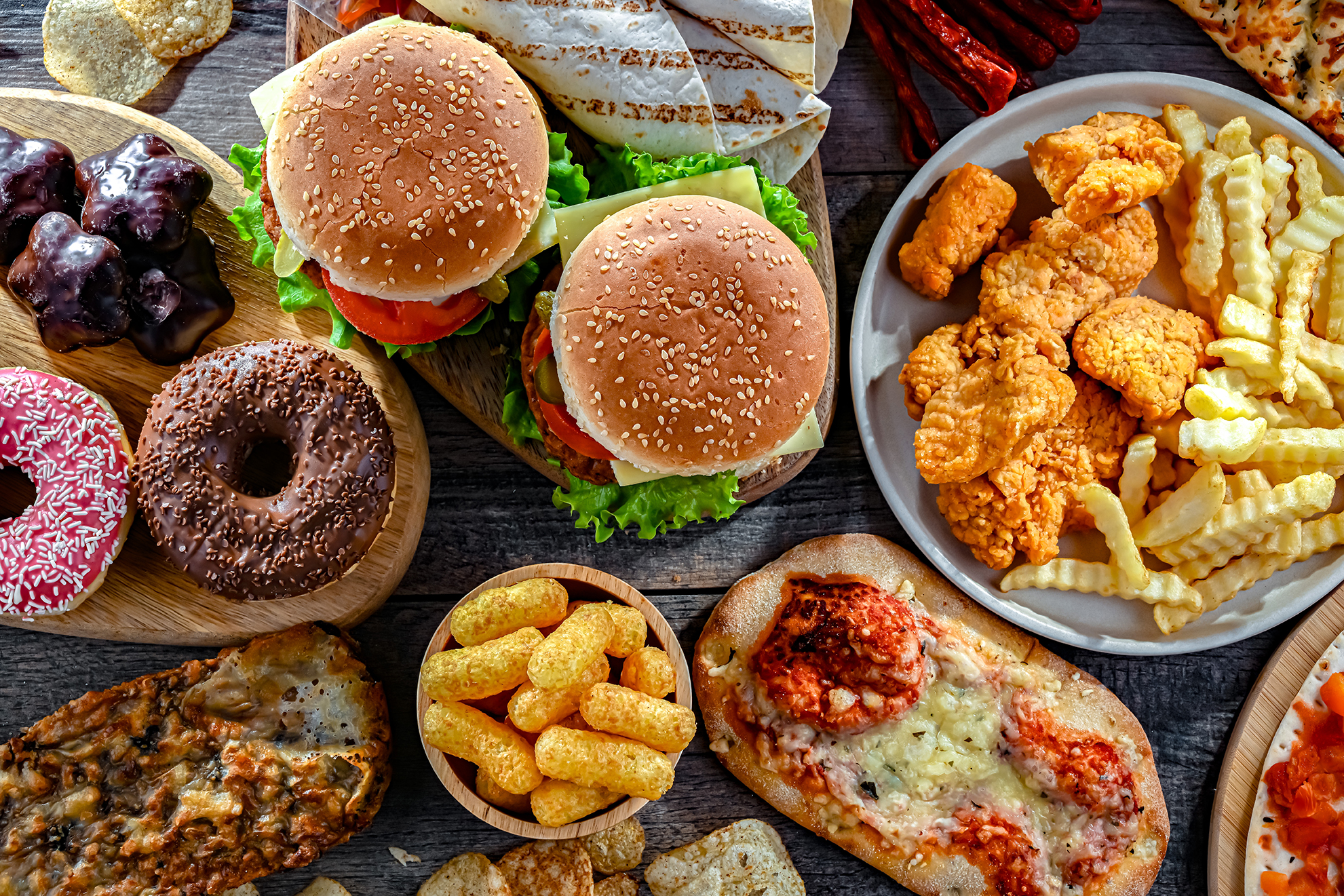
Think along the lines of:
- Sugary drinks
- Packaged snack cakes and cookies
- Candy
- Chips and similar packaged snacks
- Many sweetened breakfast cereals
- Chicken nuggets and other reconstituted meat products
- Some frozen meals and pizzas
- Certain packaged breads, bars, and ready-to-eat foods
The distinction matters because processed does not automatically mean unhealthy. A bag of frozen berries and a packaged snack cake have both undergone processing, but they aren’t nutritionally equivalent.
How Bad Are Ultra-Processed Foods, Really?
Ultra-processed foods have become an active area of nutrition research, and recent findings give us plenty of reason to pay attention.
One recent study of nearly 5,000 U.S. adults found that ultra-processed foods accounted for about 26% of participants’ total energy intake. Those consuming the most had a 47% higher risk of cardiovascular disease compared with those consuming the least.
Other recent research has found associations extending beyond cardiovascular health. Among older adults, greater UPF consumption has been associated with impaired executive functioning—the mental skills we use to plan, focus, remember instructions, and manage everyday tasks.
Researchers are also looking at UPF consumption early in life. In a study of more than 2,000 Canadian children, ultra-processed foods accounted for 45.5% of calories consumed at age three. Higher consumption was associated with higher caregiver-reported behavioral and emotional problem scores at age five.
And these aren’t isolated findings. Larger reviews of the available research have linked higher UPF intake with increased risk of several chronic health conditions, including type 2 diabetes and cardiovascular disease.
Why Might Ultra-Processed Foods Affect Our Health?
That’s a question researchers are still working to answer.
Many ultra-processed foods are high in added sugars, sodium, refined carbohydrates, or saturated fats while being relatively low in fiber and other nutrients. Diets high in these foods can also crowd out whole and minimally processed foods that provide protein, fiber, vitamins, minerals, and beneficial plant compounds.
There are other possibilities being investigated as well, including how certain additives, processing methods, and the physical structure of foods may influence appetite, metabolism, and the gut microbiome.
Importantly, researchers haven’t answered every question yet. The category of “ultra-processed food” includes a wide range of products, and they may not all affect health in the same way.
That’s why context matters.
Do You Need to Eliminate All Ultra-Processed Food?
Probably not—and for most people, trying to eat a completely “unprocessed” diet isn’t realistic or necessary.
Instead, take a look at the overall pattern of your diet.
If most of your meals are built around whole or minimally processed foods—vegetables, fruits, eggs, fish, meat, beans, nuts, seeds, whole grains, and other nutrient-dense foods—having something ultra-processed occasionally is very different from relying on these foods for a large portion of your daily calories.
You also don’t need to overhaul your entire kitchen overnight.
Start with the foods you eat most often. Could you swap a sugary breakfast cereal for eggs and fruit a few mornings a week? Add a vegetable to lunch? Replace one packaged snack with nuts, fruit, yogurt, or another whole-food option?
Small changes add up.
Look At Your Whole Diet, Not One Ingredient
Nutrition can get confusing quickly. One week we’re worried about carbs. The next it’s seed oils, sugar, additives, or something we can’t pronounce on an ingredient label.
Rather than becoming afraid of individual foods or ingredients, it can be more helpful to step back and look at your eating habits as a whole.
What are you eating most of the time? Are you getting enough protein and fiber? Are plants showing up regularly? Are most meals actually satisfying you? Are convenience foods helping you maintain a healthy routine—or have they quietly become the routine?
Those questions tell us much more than whether a single food technically qualifies as “ultra-processed.”
How IMCNC Can Help
At IMCNC, nutrition is one piece of a much larger health picture. Our providers take an individualized approach that considers factors such as gut health, inflammation, blood sugar, nutrient status, hormones, food sensitivities, and other factors that may be affecting how you feel.
For patients who know what they’d like to change but have trouble putting recommendations into practice, our Functional Nurse Health Coaching program can offer additional support. Health coaching includes nutrition and detoxification as well as sleep, movement, stress management, and other lifestyle factors that influence health.
The goal isn’t dietary perfection. It’s finding realistic changes that support your health and that you can actually maintain.
If you’d like help taking a closer look at your nutrition or understanding how your diet may fit into your bigger health picture, schedule an appointment or give us a call at (984) 999-0902 to learn more.